Overview & Temperament
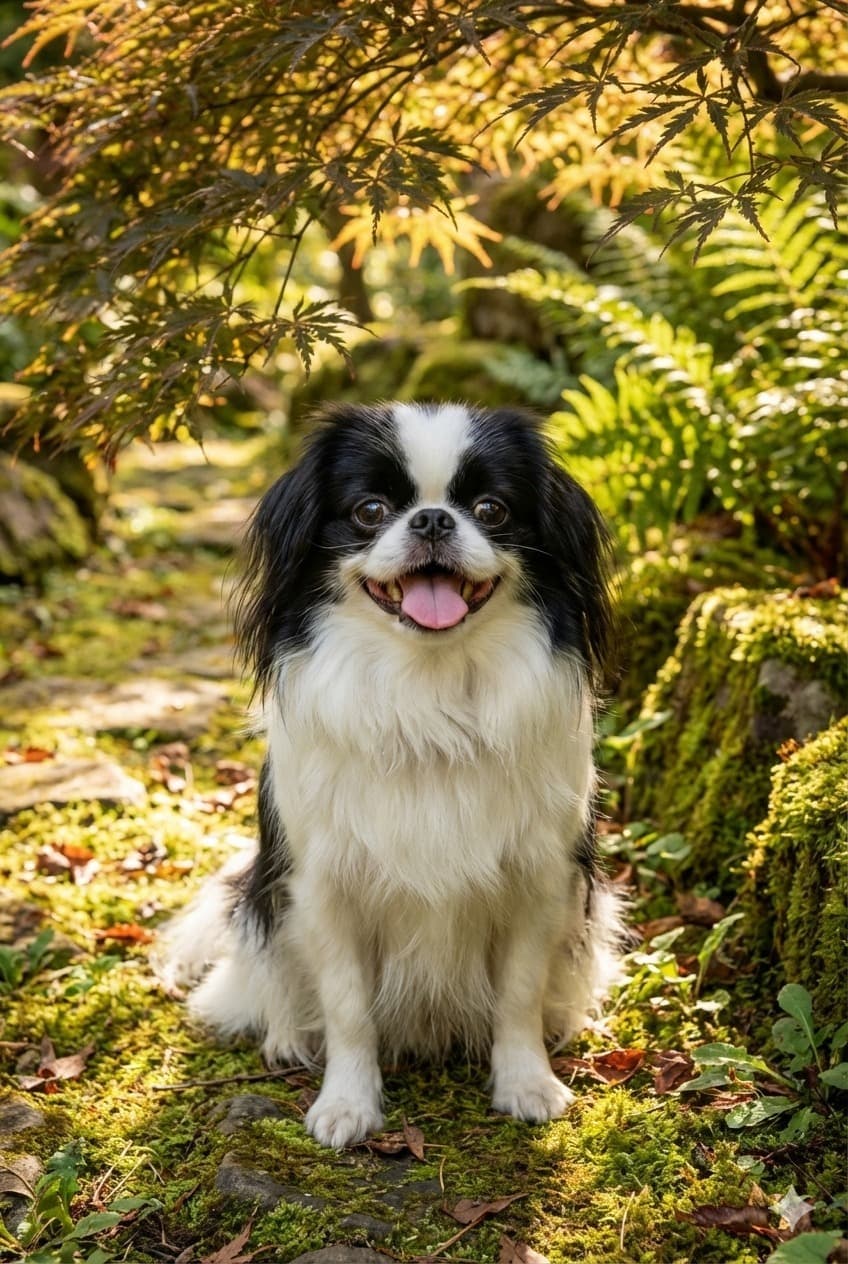
Japanese Chins were bred as royal lap dogs and companions for Japanese nobility. They are known for their refined manners, expressive eyes, and cat-like independence.
In India, Japanese Chins thrive in indoor, air-conditioned environments. They form deep bonds with their owners and prefer calm households over loud or chaotic homes.
Personality Traits
- Affectionate and loyal to family
- Quiet and rarely barks
- Cat-like independence
- Gentle and sensitive
- Reserved with strangers
Energy & Activity
- Low daily exercise needs
- Enjoys short play sessions
- Happy relaxing indoors
- Not demanding physically
Living Conditions in India
Climate Considerations
Flat face and dense coat make them heat-sensitive.
- • Ideal temperature: 15°-22°C
- • Summer care: AC essential, avoid outdoor heat
- • Hydration: Fresh water available 24/7
- • Best cities: Bangalore, Pune, hill stations
Ideal Living Situation
- ✓ Apartments with AC
- ✓ Quiet households
- ✓ Elderly owners
- ✓ Homes with limited outdoor activity
- ✓ Indoor-focused living
Challenging Situations
- ✗ Hot cities without AC
- ✗ Very active households
- ✗ Homes with rough play by children
- ✗ Outdoor-only living
Daily Exercise Requirements
Tailstart Tip: Keep exercise light and indoors during warm weather.
Cost of Owning a Japanese Chin
Initial Purchase Cost
Rare in India; cost varies by breeder quality.
Monthly Expenses
Indoor care and grooming are main recurring costs.
Food & Nutrition
Ideal Nutrition Balance
Feeding Guidelines
3 meals/day, 120-180g total
2 meals/day, 160-250g total
2 meals/day, 150-220g total
Best Food Options in India
- Royal Canin Mini
- Farmina N&D Small Breed
- Home-cooked balanced meals
Foods to Avoid
Health & Lifespan
Expected Lifespan
Generally healthy when properly cared for.
Indian climate note: Heat stress is the biggest concern in India.
Common Health Conditions
Brachycephalic Airway Syndrome
Breathing difficulties due to flat face
Prevention: AC environment, weight control
Eye Problems
Large eyes prone to injury and dryness
Prevention: Regular eye cleaning and vet checks
Heart Murmurs
Congenital heart issues in some lines
Prevention: Ethical breeding and regular vet exams
Recommended Vet Care Schedule
Daily Care Routine
Grooming Requirements
Regular Tasks
Prevents matting and controls shedding.
Use mild dog shampoo.
Important due to large eyes.
Professional Grooming
Every 6-8 weeks
Full grooming session with professional
Services include:
Bath, trimming
Tailstart Grooming: Moderate grooming needs compared to other toy breeds.
Exercise Routine
25-40 min
Total daily exercise
1-2 short walks
Per day minimum
Low
Running, swimming, fetch
Ideal Activities
Training & Mental Stimulation
Why Training is Essential
Training improves confidence and social behavior.
Basic Commands (3-6 months)
- Sit, Stay
Mental Stimulation Ideas
- Puzzle toys
Training Tip
Gentle, positive reinforcement works best.
Frequently Asked Questions
Similar Breeds You Might Like
Explore other friendly, active breeds perfect for Indian families