Overview & Temperament
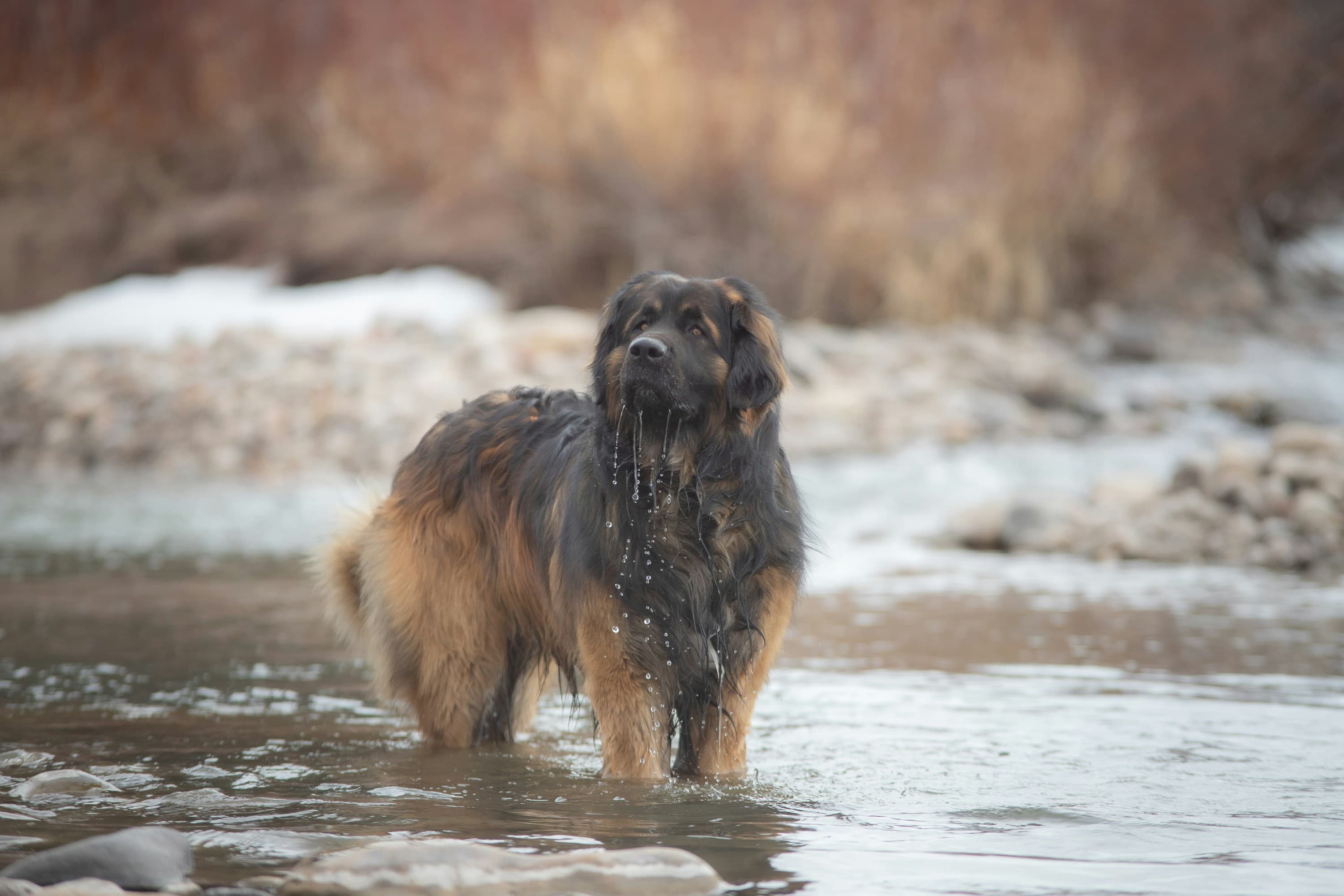
The Newfoundland is a giant working dog originally bred in Canada for water rescue and hauling fishing nets. Known for its immense strength, webbed feet, and swimming ability, it is also one of the gentlest dog breeds in the world.
In India, Newfoundlands are extremely challenging to maintain due to their dense double coat and very low heat tolerance. They are suitable only for cold regions or homes with full-time air conditioning.
Personality Traits
- Exceptionally gentle and calm
- Very affectionate with family
- Excellent with children
- Friendly with strangers
- Low aggression and patient
Energy & Activity
- Low to moderate energy
- Enjoys swimming over running
- Prefers relaxed indoor lifestyle
- Overheats easily in warm weather
Living Conditions in India
Climate Considerations
Not naturally suitable for Indian climate.
- • Ideal temperature: 0°-18°C
- • Summer care: AC mandatory; outdoor activity severely restricted
- • Hydration: Cold fresh water available 24/7
- • Best cities: Hill stations only (Manali, Shimla, Gulmarg)
Ideal Living Situation
- ✓ Cold climate regions
- ✓ Large independent houses
- ✓ Homes with full-time AC
- ✓ Families with calm routines
Challenging Situations
- ✗ Hot or humid cities
- ✗ Apartments
- ✗ Homes without AC
- ✗ First-time dog owners in India
Daily Exercise Requirements
Tailstart Tip: Swimming is the safest and most preferred exercise for this breed.
Cost of Owning a Newfoundland
Initial Purchase Cost
High cost due to rarity and import lineage.
Monthly Expenses
One of the most expensive breeds to maintain in India.
Food & Nutrition
Ideal Nutrition Balance
Feeding Guidelines
3 meals/day, 900g-1.3kg total
2 meals/day, 1.3-1.8kg total
2 meals/day, 1.1-1.5kg total
Best Food Options in India
- Giant breed specific kibble
- Joint-support diets
- High-quality protein sources
- Vet-approved mixed feeding
Foods to Avoid
Health & Lifespan
Expected Lifespan
Short lifespan typical of giant breeds.
Indian climate note: Heat stress is the biggest health risk in India.
Common Health Conditions
Bloat (GDV)
Life-threatening stomach condition common in giant breeds
Prevention: Slow feeders, small meals, no exercise post meals
Hip & Elbow Dysplasia
Joint disorders due to size and weight
Prevention: Weight control and joint supplements
Heart Disease
Dilated cardiomyopathy risk
Prevention: Regular cardiac screening
Recommended Vet Care Schedule
Daily Care Routine
Grooming Requirements
Regular Tasks
Dense double coat mats easily.
Requires thorough drying to avoid skin infections.
Professional Grooming
Every 6-8 weeks
Full grooming session with professional
Services include:
De-shedding, bath, coat trimming
Tailstart Grooming: Professional grooming is essential for coat health.
Exercise Routine
40-60 min
Total daily exercise
1-2 short walks
Per day minimum
Low
Running, swimming, fetch
Ideal Activities
Training & Mental Stimulation
Why Training is Essential
Large size requires early obedience and leash training.
Basic Commands (3-6 months)
- Sit
- Stay
- Loose leash walking
Mental Stimulation Ideas
- Food puzzles
- Basic obedience games
Training Tip
Responds best to calm, gentle training methods.
Frequently Asked Questions
Similar Breeds You Might Like
Explore other friendly, active breeds perfect for Indian families