Overview & Temperament
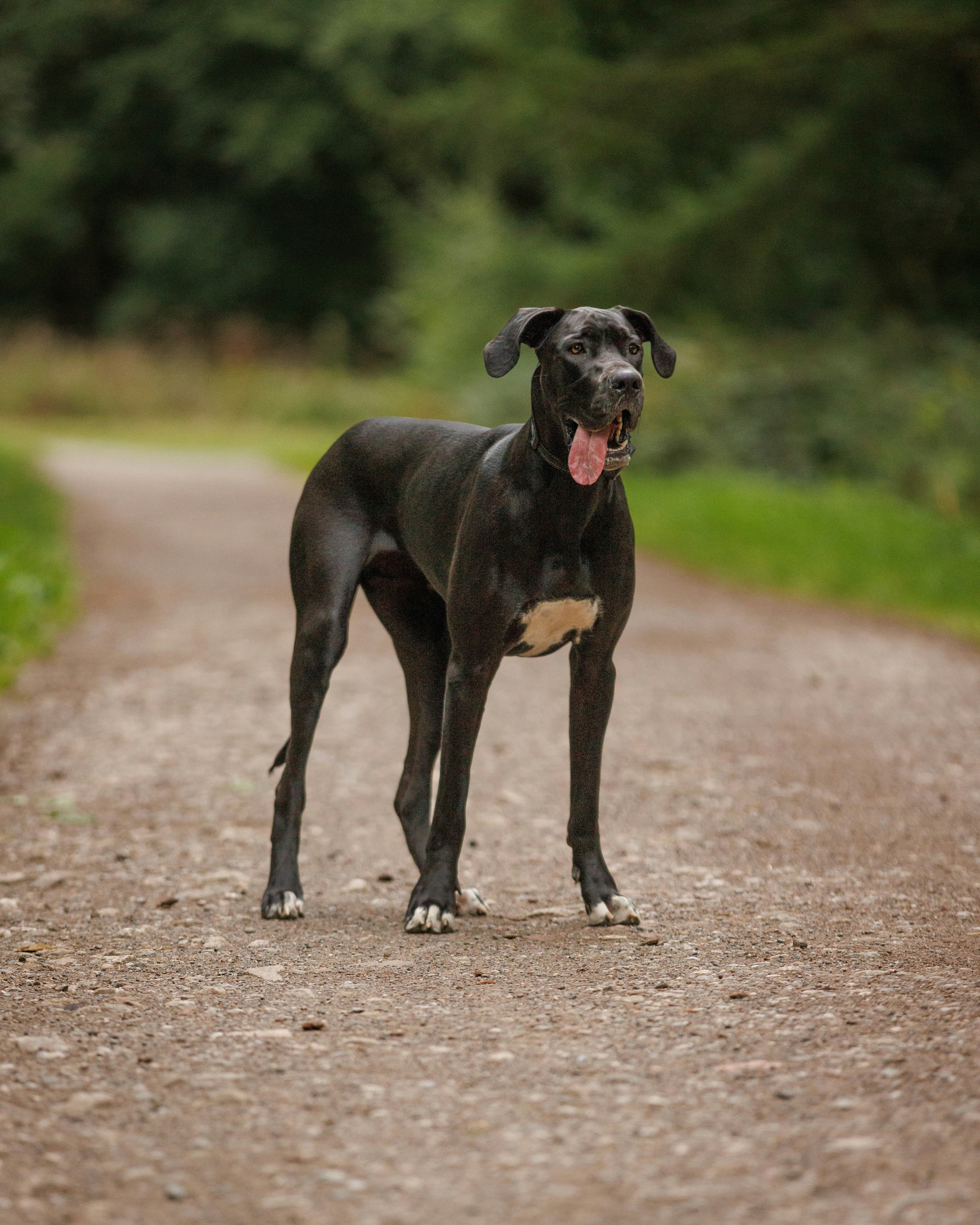
The Great Dane is one of the tallest dog breeds in the world, often referred to as a gentle giant due to its calm demeanor and affectionate nature. Despite their intimidating size, Great Danes are friendly, patient, and deeply bonded to their families.
In India, Great Danes require thoughtful care due to their size, shorter lifespan, and moderate heat tolerance. They thrive best in spacious homes with attentive owners who can manage their dietary and joint-care needs.
Personality Traits
- Calm and affectionate with family
- Gentle and patient with children
- Sociable and friendly with known people
- Low aggression despite size
- Emotionally sensitive
Energy & Activity
- Moderate activity needs
- Prefers lounging indoors
- Enjoys short walks and light play
- Over-exercising can harm joints
Living Conditions in India
Climate Considerations
Great Danes struggle in extreme heat and humidity.
- • Ideal temperature: 15°-25°C
- • Summer care: AC or cool flooring recommended, avoid midday walks
- • Hydration: Fresh water available 24/7
- • Best cities: Bangalore, Pune, hill stations
Ideal Living Situation
- ✓ Independent houses
- ✓ Large apartments (3BHK+)
- ✓ Homes with elevators
- ✓ Families with predictable routines
Challenging Situations
- ✗ Small apartments
- ✗ Homes without AC in hot cities
- ✗ Frequent stair climbing
- ✗ Very active households
Daily Exercise Requirements
Tailstart Tip: Avoid intense exercise, jumping, or running during puppy stage.
Cost of Owning a Great Dane
Initial Purchase Cost
Price depends on breeder quality, lineage, and city.
Monthly Expenses
Large size leads to higher food and medical costs.
Food & Nutrition
Ideal Nutrition Balance
Feeding Guidelines
3 meals/day, 600-900g total
2 meals/day, 900-1.2kg total
2 meals/day, 800-1kg total
Best Food Options in India
- Large-breed specific kibble
- Home-cooked chicken and rice
- Calcium-controlled diets
- Vet-approved joint-support food
Foods to Avoid
Health & Lifespan
Expected Lifespan
Shorter lifespan common in giant breeds.
Indian climate note: Heat stress can significantly impact health.
Common Health Conditions
Bloat (GDV)
Life-threatening stomach condition common in giant breeds
Prevention: Smaller meals, slow feeders, avoid exercise after eating
Hip Dysplasia
Joint disorder due to size and rapid growth
Prevention: Weight control and joint supplements
Heart Disease
Dilated cardiomyopathy risk
Prevention: Regular cardiac checkups
Recommended Vet Care Schedule
Daily Care Routine
Grooming Requirements
Regular Tasks
Short coat sheds moderately.
Use gentle dog shampoo.
Professional Grooming
Every 2-3 months
Full grooming session with professional
Services include:
Bath, nail trim, ear cleaning
Tailstart Grooming: Handling requires experienced groomers due to size.
Exercise Routine
45-75 min
Total daily exercise
2 walks
Per day minimum
Low to Moderate
Running, swimming, fetch
Ideal Activities
Training & Mental Stimulation
Why Training is Essential
Large size requires early obedience and leash manners.
Basic Commands (3-6 months)
- Sit
- Stay
- Loose leash walking
Mental Stimulation Ideas
- Food puzzles
- Short training sessions
Training Tip
Gentle, positive reinforcement works best.
Frequently Asked Questions
Similar Breeds You Might Like
Explore other friendly, active breeds perfect for Indian families