Overview & Temperament
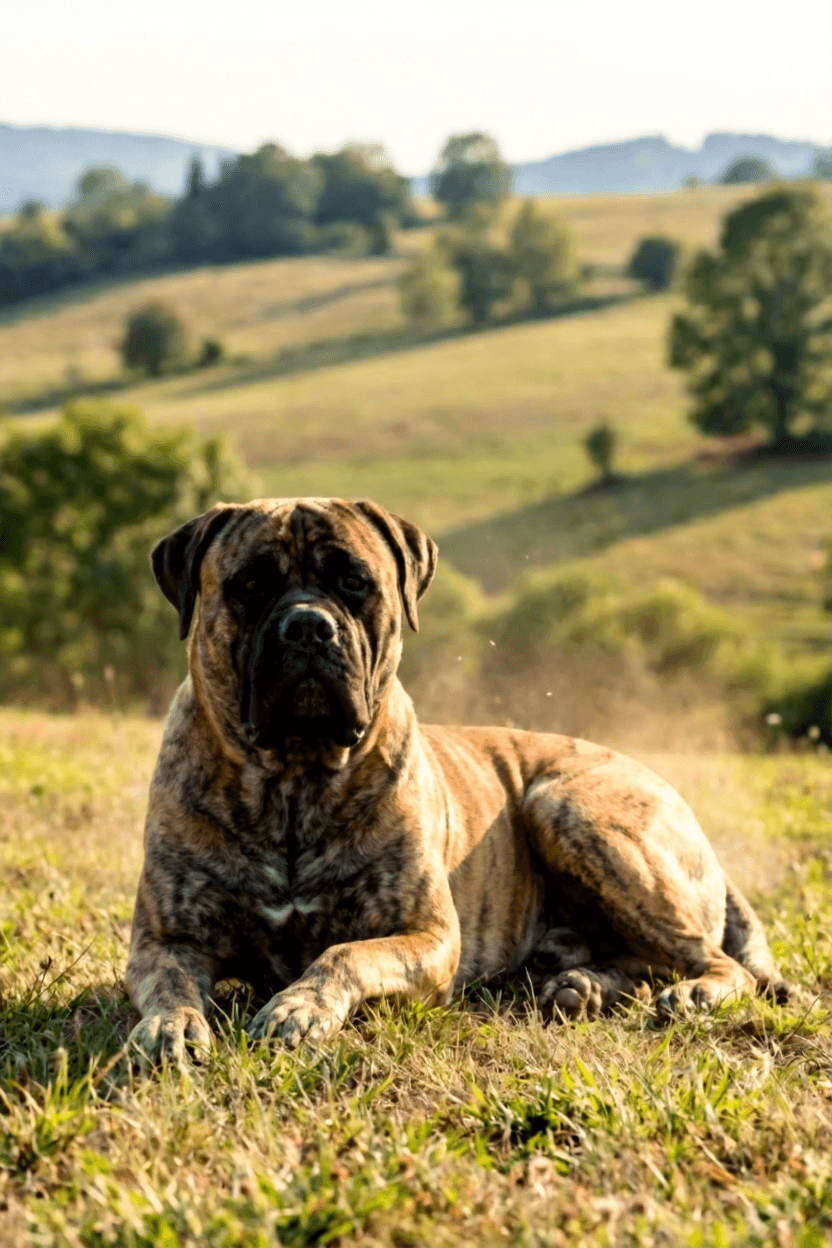
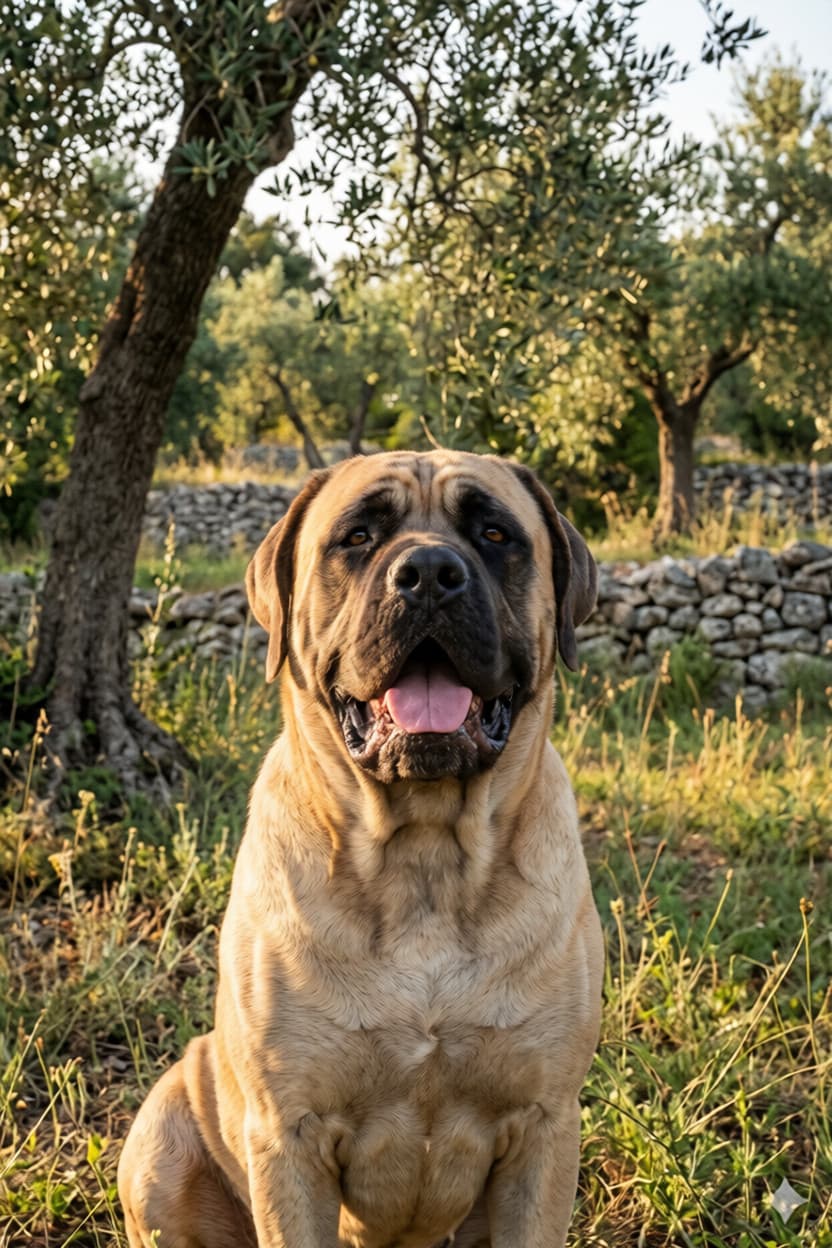
The English Mastiff is one of the largest dog breeds in the world, historically used as a guard and war dog. Despite their size, they are known for their calm, gentle, and affectionate nature with family members.
In India, English Mastiffs face challenges due to extreme heat and space constraints. They require careful climate management and are best suited for cooler regions or homes with excellent ventilation and shade.
Personality Traits
- Calm and laid-back temperament
- Extremely loyal to family
- Protective without being aggressive
- Good with children when supervised
- Reserved with strangers
Energy & Activity
- Low to moderate exercise needs
- Prefers short walks
- Not suited for high-intensity activity
- Enjoys mental engagement over physical exertion
Living Conditions in India
Climate Considerations
Large body mass and short muzzle increase heat sensitivity.
- • Ideal temperature: 10°-22°C
- • Summer care: Avoid outdoor activity in heat, provide cooling and shade
- • Hydration: Fresh water available at all times
- • Best cities: Cooler regions and hill stations
Ideal Living Situation
- ✓ Independent house with large compound
- ✓ Quiet households
- ✓ Experienced dog owners
- ✓ Families seeking calm guardians
- ✓ Homes with space and airflow
Challenging Situations
- ✗ Apartments
- ✗ Extreme heat regions
- ✗ First-time dog owners
- ✗ Crowded or noisy homes
- ✗ Outdoor-only living
Daily Exercise Requirements
Tailstart Tip: Over-exercising can damage joints; keep activity controlled.
Cost of Owning a English Mastiff
Initial Purchase Cost
High cost due to size, import lineage, and healthcare needs.
Monthly Expenses
Food and medical costs are significantly higher than average.
Food & Nutrition
Ideal Nutrition Balance
Feeding Guidelines
3 meals/day, 800-1000g total
2 meals/day, 1200-1600g total
2 meals/day, 1000-1300g total
Best Food Options in India
- Royal Canin Giant
- Farmina N&D
- Orijen Giant Breed
- Vet-approved home-cooked diet
Foods to Avoid
Health & Lifespan
Expected Lifespan
Shorter lifespan typical of giant breeds.
Indian climate note: Heat stress significantly affects longevity.
Common Health Conditions
Hip & Elbow Dysplasia
Joint disorders common in giant breeds
Prevention: Weight control, joint supplements
Bloat (GDV)
Life-threatening stomach torsion
Prevention: Multiple small meals, rest after feeding
Heat Stroke
Overheating due to size and muzzle
Prevention: Cooling, shade, limited exposure
Recommended Vet Care Schedule
Daily Care Routine
Grooming Requirements
Regular Tasks
Short coat, moderate shedding.
Use mild shampoo to protect skin.
Prevent moisture and infection in skin folds.
Professional Grooming
Every 8 weeks
Full grooming session with professional
Services include:
Bath, hygiene cleaning, nail trim
Tailstart Grooming: Handling requires experience due to size.
Exercise Routine
45-60 min
Total daily exercise
2 short walks
Per day minimum
Low
Running, swimming, fetch
Ideal Activities
Training & Mental Stimulation
Why Training is Essential
Massive size requires obedience for safety and control.
Basic Commands (3-6 months)
- Sit
- Stay
- Recall
Mental Stimulation Ideas
- Obedience routines
- Scent games
Training Tip
Gentle but consistent leadership is key.
Frequently Asked Questions
Similar Breeds You Might Like
Explore other friendly, active breeds perfect for Indian families