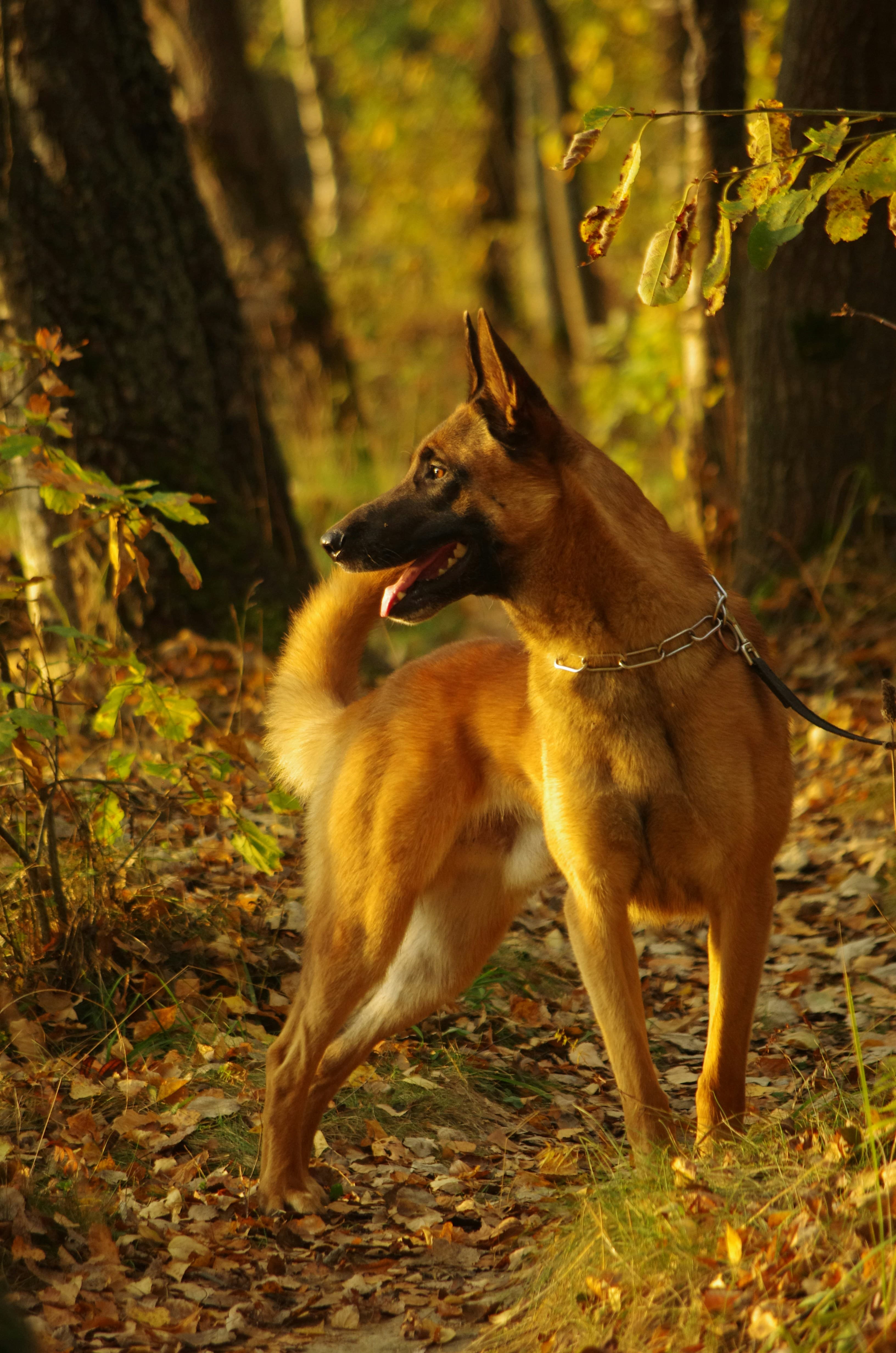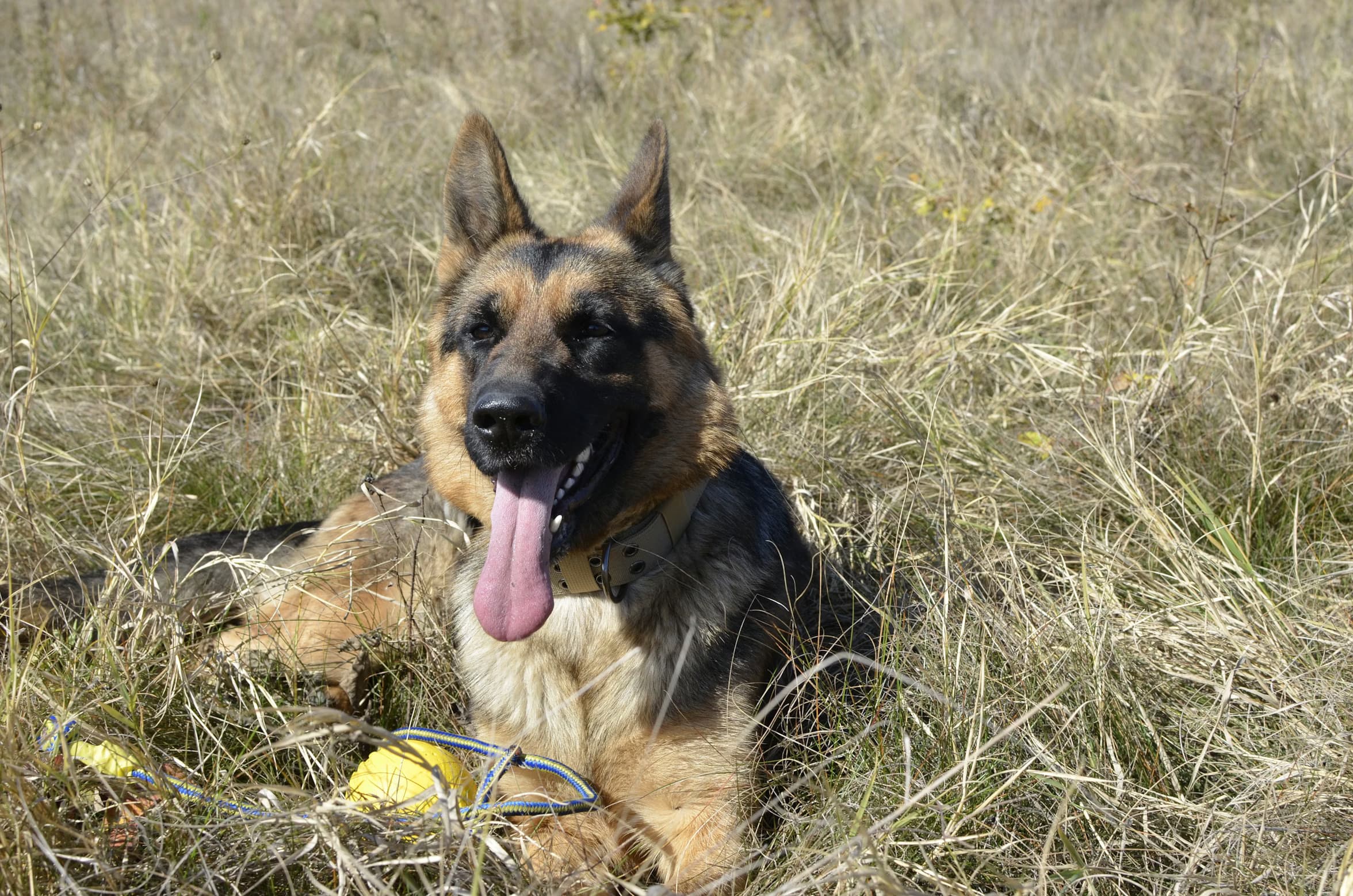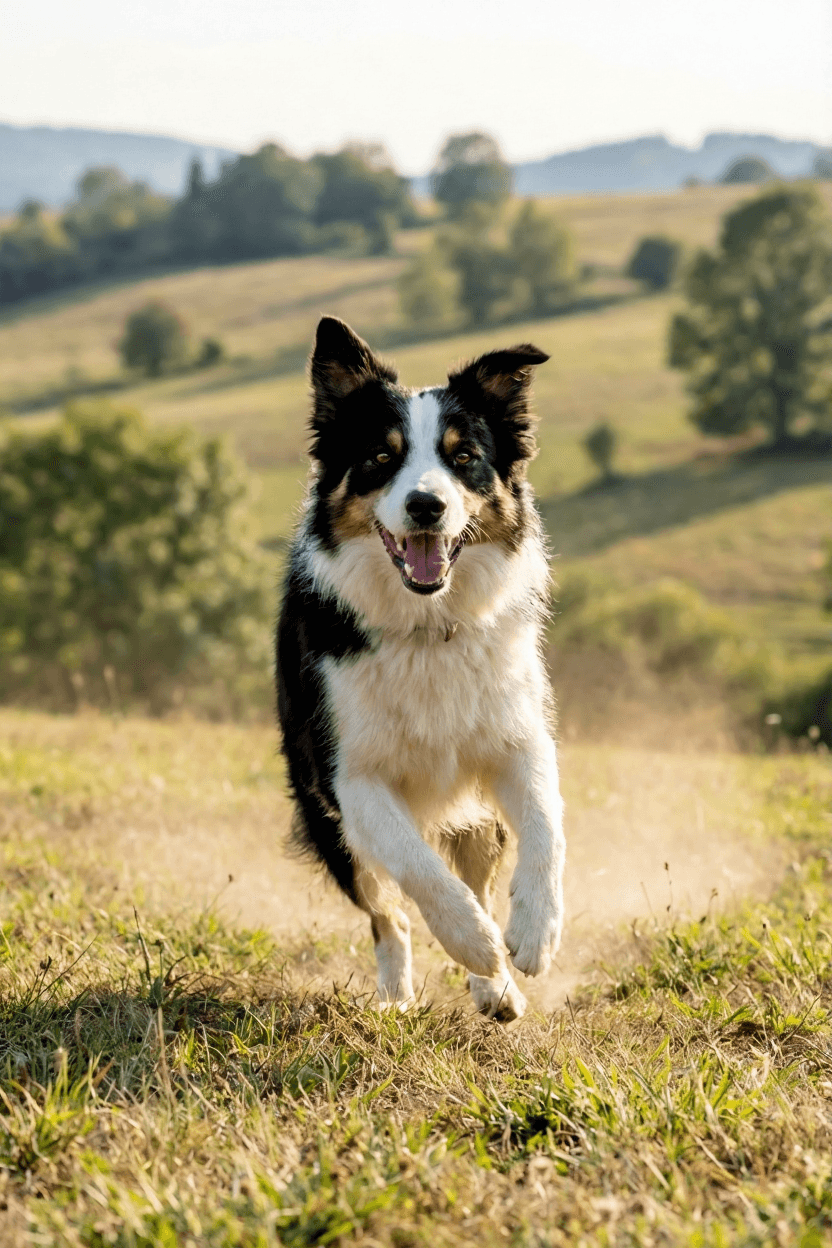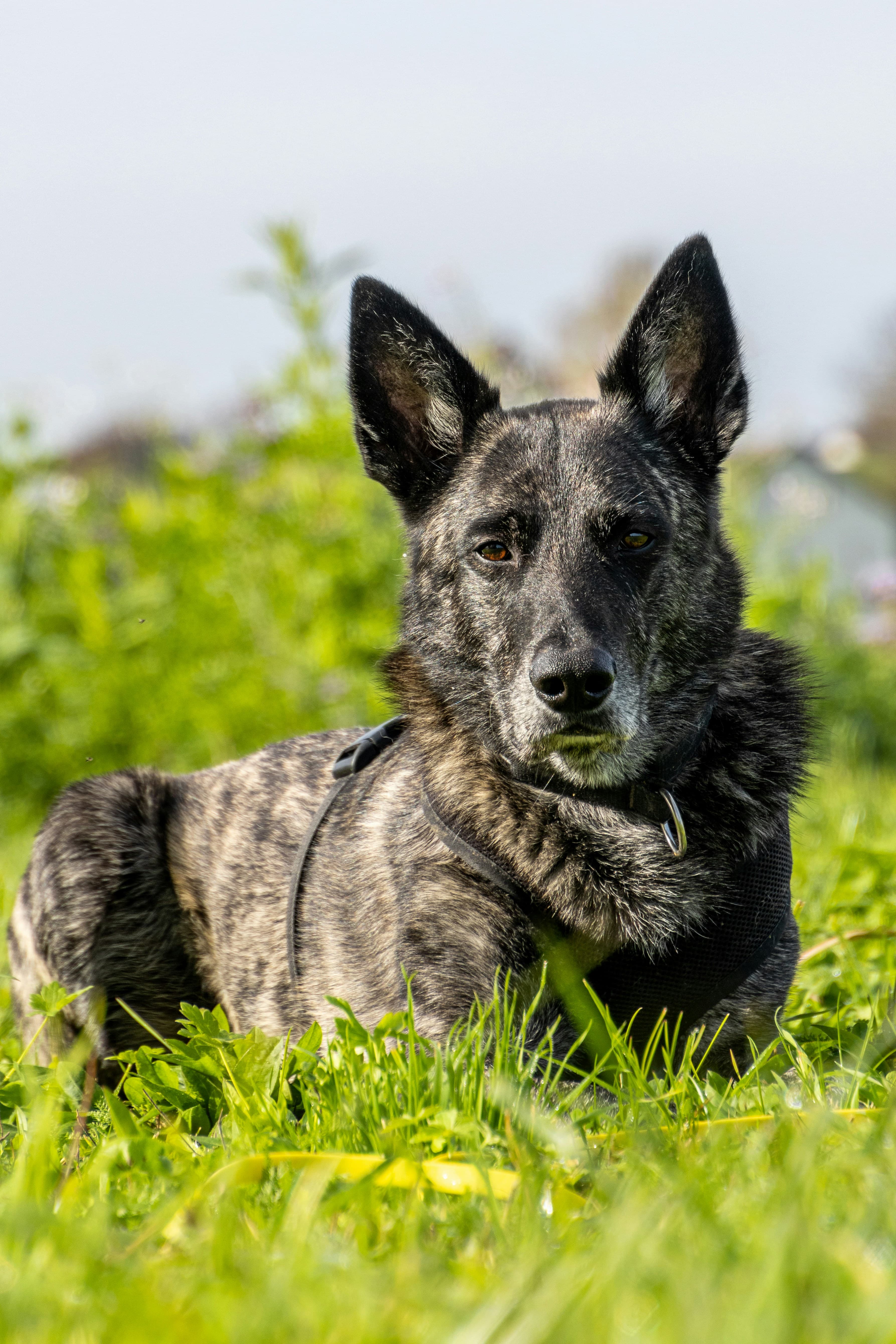
Overview & Temperament
Dutch Shepherds were originally bred as all-purpose farm dogs in the Netherlands, capable of herding, guarding, and pulling carts. Today, they are prized for their versatility and mental stability in high-pressure working roles.
In India, Dutch Shepherds are rare and should only be owned by experienced handlers. They are more balanced than Belgian Malinois but still require intense daily training, exercise, and purpose.
Personality Traits
- Highly intelligent and problem-solving
- Stable temperament under pressure
- Deeply loyal to handler
- Naturally protective but controlled
- Not suited for casual pet ownership
Energy & Activity
- Very high daily exercise requirement
- Needs structured work and training
- Thrives on complex tasks
- Calm only after proper exhaustion
- Can develop behavioral issues if underworked
Living Conditions in India
Climate Considerations
Better heat tolerance than double-coated breeds, but overexertion is dangerous.
- • Ideal temperature: 12°-25°C
- • Summer care: Early morning and late-night training, hydration essential
- • Hydration: Fresh water available at all times
- • Best cities: Moderate climates, rural areas, training facilities
Ideal Living Situation
- ✓ Experienced handlers
- ✓ Independent houses with space
- ✓ Professional training environments
- ✓ Security or sport work roles
- ✓ Owners with daily structured routines
Challenging Situations
- ✗ Apartments
- ✗ First-time dog owners
- ✗ Sedentary households
- ✗ Homes without training commitment
- ✗ Families expecting a calm companion
Daily Exercise Requirements
Tailstart Tip: Dutch Shepherds need a job, not just walks.
Cost of Owning a Dutch Shepherd
Initial Purchase Cost
High cost due to rarity, working lineage, and limited ethical breeders.
Monthly Expenses
Ongoing professional training is strongly recommended.
Food & Nutrition
Ideal Nutrition Balance
Feeding Guidelines
3 meals/day, 400-600g total
2 meals/day, 550-800g total
2 meals/day, 500-700g total
Best Food Options in India
- Royal Canin Working Dog
- Farmina N&D
- Orijen
- High-protein home-cooked diet
Foods to Avoid
Health & Lifespan
Expected Lifespan
Dutch Shepherds are generally healthy and robust working dogs.
Indian climate note: Overwork in heat is a greater risk than genetic disease.
Common Health Conditions
Hip Dysplasia
Joint disorder affecting mobility
Prevention: Weight control and joint supplements
Elbow Dysplasia
Joint abnormality
Prevention: Ethical breeding
Overuse Injuries
Muscle and ligament strain
Prevention: Structured training and recovery days
Recommended Vet Care Schedule
Daily Care Routine
Grooming Requirements
Regular Tasks
Controls shedding and keeps coat healthy.
Avoid over-bathing.
Important for movement and posture.
Professional Grooming
Every 6-8 weeks
Full grooming session with professional
Services include:
Bath, nail trim
Tailstart Grooming: Low grooming needs compared to long-coat breeds.
Exercise Routine
150-180 min
Total daily exercise
2-3 intense sessions
Per day minimum
Very High
Running, swimming, fetch
Ideal Activities
Training & Mental Stimulation
Why Training is Essential
Training is mandatory for safety, control, and mental balance.
Basic Commands (3-6 months)
- Advanced recall
- Heel under distraction
- Out / release command
Mental Stimulation Ideas
- Tracking exercises
- Protection drills
- Complex obedience routines
Training Tip
Dutch Shepherds excel with consistent, structured, professional training.
Frequently Asked Questions
Similar Breeds You Might Like
Explore other friendly, active breeds perfect for Indian families