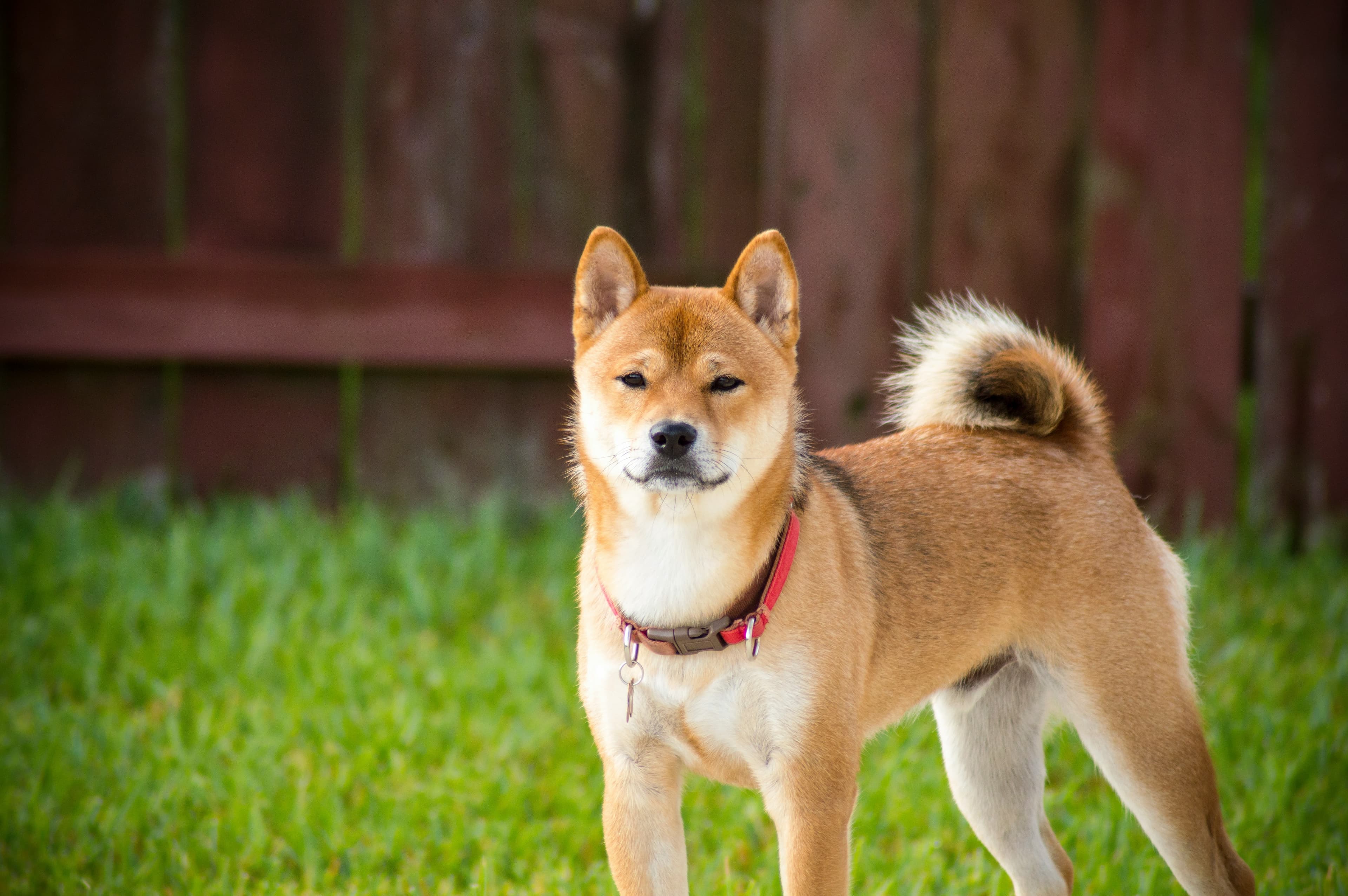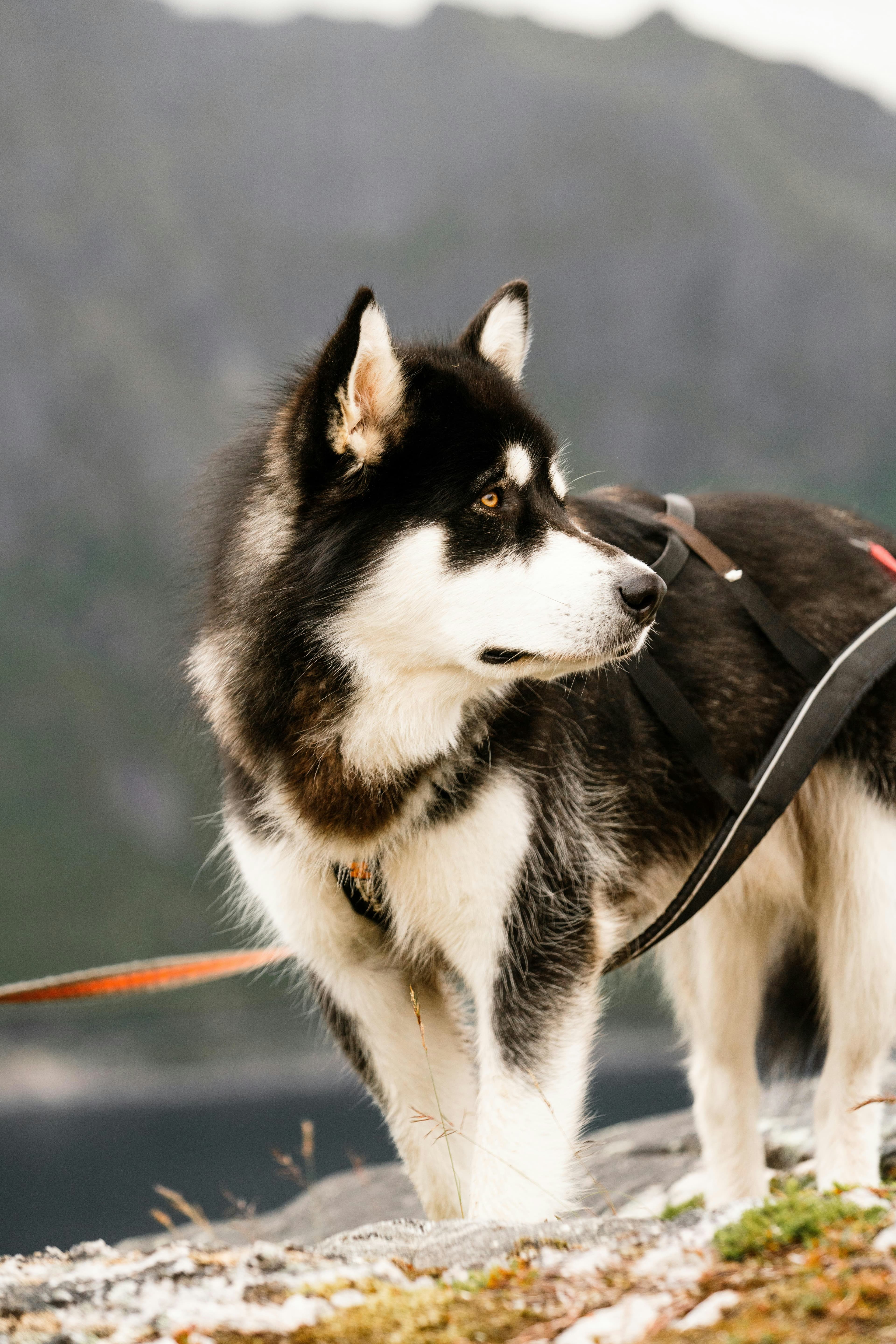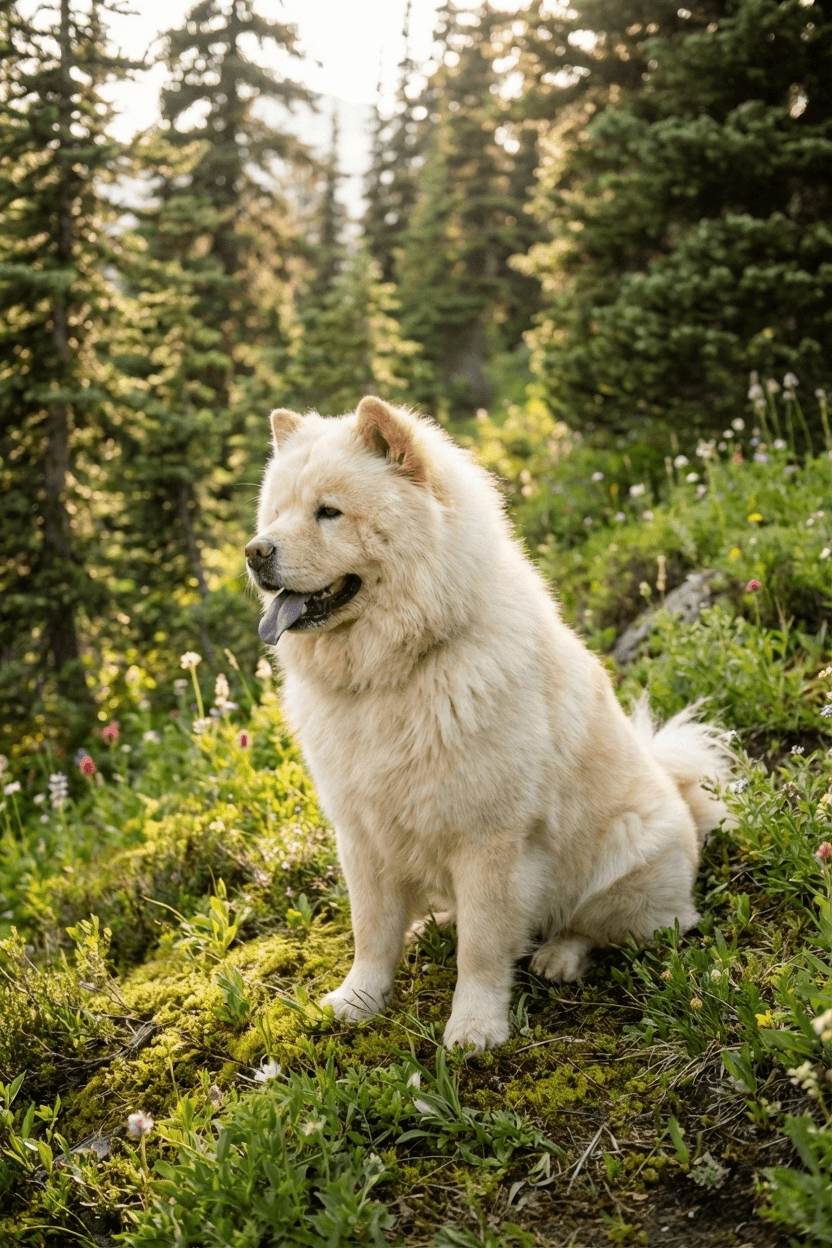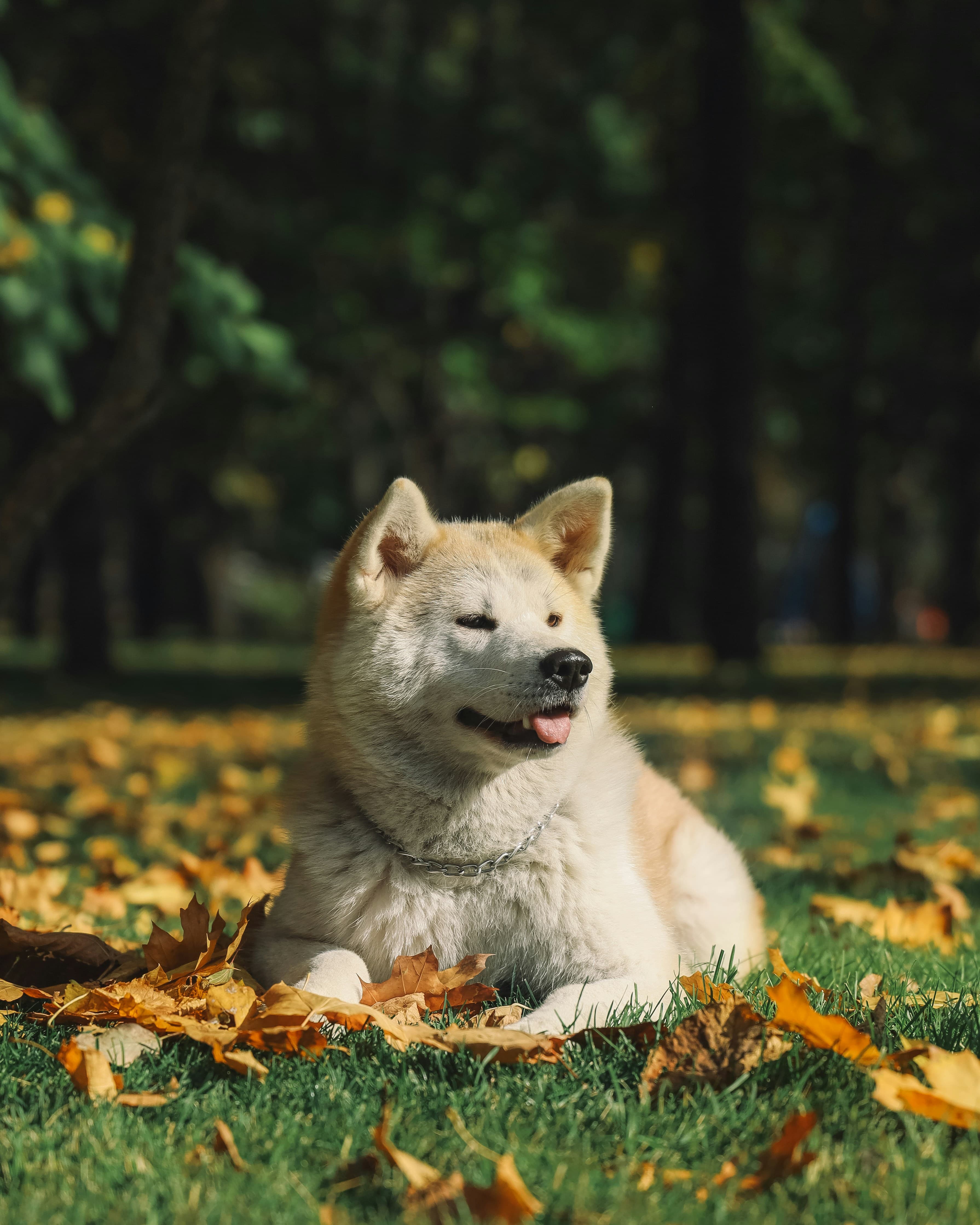
Overview & Temperament
Akitas were originally bred in Japan to guard royalty and hunt large game such as bears. They are known worldwide for their loyalty, exemplified by the legendary Akita Hachikō.
In India, Akitas are rare and challenging to keep due to heat sensitivity and strong-willed temperament. They are not recommended for first-time owners or casual pet households.
Personality Traits
- Extremely loyal to family
- Reserved and aloof with strangers
- Naturally protective
- Strong-willed and independent
- Low tolerance for other dogs
Energy & Activity
- Moderate exercise needs
- Calm indoors when trained
- Needs structured routine
- Not hyperactive
Living Conditions in India
Climate Considerations
Thick double coat makes Akitas extremely heat-sensitive.
- • Ideal temperature: 5°-18°C
- • Summer care: AC mandatory, no outdoor activity in heat
- • Hydration: Fresh water available 24/7
- • Best cities: Hill stations only
Ideal Living Situation
- ✓ Cold or hill-station climates
- ✓ Independent houses
- ✓ Experienced dog owners
- ✓ Single-pet households
- ✓ Structured and calm homes
Challenging Situations
- ✗ Hot cities
- ✗ Apartments without AC
- ✗ First-time dog owners
- ✗ Multi-dog households
- ✗ Highly social environments
Daily Exercise Requirements
Tailstart Tip: Overexercising Akitas in warm weather can be dangerous.
Cost of Owning a Akita
Initial Purchase Cost
High cost due to rarity and import-quality lineage.
Monthly Expenses
Higher costs due to food intake and climate control.
Food & Nutrition
Ideal Nutrition Balance
Feeding Guidelines
3 meals/day, 450-650g total
2 meals/day, 650-900g total
2 meals/day, 600-800g total
Best Food Options in India
- Royal Canin Maxi
- Farmina N&D
- Orijen
- High-quality home-cooked meals
Foods to Avoid
Health & Lifespan
Expected Lifespan
Healthy breed when responsibly bred and maintained.
Indian climate note: Heat stress is the biggest health threat in India.
Common Health Conditions
Hip Dysplasia
Joint disorder affecting mobility
Prevention: Weight control and ethical breeding
Hypothyroidism
Hormonal imbalance affecting metabolism
Prevention: Regular blood tests
Autoimmune Disorders
Immune system-related conditions
Prevention: Early diagnosis and vet monitoring
Recommended Vet Care Schedule
Daily Care Routine
Grooming Requirements
Regular Tasks
Daily during heavy shedding seasons.
Avoid over-bathing.
Heavy shedding twice a year.
Professional Grooming
Every 6-8 weeks
Full grooming session with professional
Services include:
Bath, de-shedding, coat care
Tailstart Grooming: Seasonal shedding is intense.
Exercise Routine
60-90 min
Total daily exercise
2 walks
Per day minimum
Moderate
Running, swimming, fetch
Ideal Activities
Training & Mental Stimulation
Why Training is Essential
Training is critical due to size, strength, and independent temperament.
Basic Commands (3-6 months)
- Sit, Stay, Recall
- Leash discipline
Mental Stimulation Ideas
- Obedience drills
- Scent games
Training Tip
Firm, calm, consistent leadership works best. Avoid harsh methods.
Frequently Asked Questions
Similar Breeds You Might Like
Explore other friendly, active breeds perfect for Indian families